The Art of Choosing the Right Bun for Your Hot Dog
@collinqldx752
A good hot dog bun does more than hold the sausage. It shapes the first bite, controls the mess, frames the toppings, and quietly decides whether the whole thing eats like a satisfying meal or a floppy regret. People tend to obsess over the frank itself, especially when comparing all-beef, pork-beef blends, natural casing, skinless, smoked, or griddled. Fair enough. But the bun is where balance lives.
If you have ever eaten a beautifully charred dog tucked into a dry, crumbly roll that split down the side before the mustard hit it, you already know the cost of getting this wrong. The opposite mistake is just as common. A bun can be so dense, sweet, or oversized that it overwhelms the hot dog and turns the experience into bread with garnish.
Choosing the right bun is partly about style and partly about mechanics. It is also a matter of context. The best bun for a backyard cookout is not always the best bun for a loaded chili dog, and the right choice for a snappy natural casing frank can be completely wrong for a slim steamed dog served with just mustard and onions. Once you start paying attention, the bun stops being background and starts behaving like a real ingredient.
The bun is part of the architecture
Hot dogs are unusual because they are built in a narrow format. Burgers spread weight across a flat base. Sandwiches can rely on layered structure. A hot dog bun has to carry load in a long channel, often with moist toppings concentrated along the center. That creates stress points, especially at the hinge and the bottom seam. A weak bun collapses where you need it most.
The ideal bun has enough softness to compress slightly when you bite, but enough internal structure to resist immediate tearing. Bakers call this balance crumb and elasticity. You do not need technical jargon to recognize it. When you squeeze a good bun lightly, it yields, then springs back a little. When you open it, the sides flex instead of cracking. When it meets steam from the dog or moisture from sauerkraut, it absorbs just enough to feel integrated without turning gummy.
That matters because a hot dog is a textural food. The snap of the casing, the softness of the bun, the bite of raw onion, the slickness of mustard, the crunch of relish, all of that happens at once. The bun is not a passive wrapper. It is the moderator.
Size matters more than most people think
The first practical decision is scale. Bun and dog should fit each other with intent. A standard supermarket bun often runs too long for a shorter frank or too short for a jumbo dog, leaving awkward overhang or dead space. Neither is ideal.
Overhang is not always a flaw. In some regional traditions, a little extra dog past the bun signals abundance. But too much creates an uneven bite, where the first mouthful is all meat and the middle becomes bread heavy. Dead space at the ends is worse. It tends to collect condiments and encourages the bun to tear because the filling is not supported evenly.
Width is just as important as length. A slim dog disappears inside a thick, pillowy bun, especially if the bread is sweet. A large sausage or quarter-pound frank can bulge out of a narrow bun and push toppings onto the plate. If you serve guests, matching bun size to hot dog size is one of those small decisions that makes the meal look and feel better without anyone being able to name why.
When I cook for a crowd, I buy the dogs first and the buns second. That sounds obvious, but plenty of people do the reverse because buns seem generic. They are not. A natural casing dog with some heft wants a sturdier vessel than the bargain white rolls stacked by the dozen near the chips.
Softness is only useful when it is controlled
There is a reason the classic enriched white bun became the default. It is soft, neutral, inexpensive, and familiar. For many hot dog styles, especially simple ones, that softness is exactly right. A steamed bun with a steamed dog has an old-school comfort that more artisanal breads often miss. The trick is knowing when soft becomes flimsy.
A very soft bun works best when the toppings are restrained. Mustard, a stripe of ketchup if that is your thing, some finely chopped onions, maybe relish. These are low-weight, low-moisture additions. The bun can remain delicate because it is not being asked to perform structural heroics.
The moment you move into heavier territory, chili, cheese sauce, baked beans, coleslaw, wet sauerkraut, sautéed peppers, the bun needs more backbone. This does not mean tough bread. Tough buns fight the bite and squeeze toppings out the sides. It means a tighter crumb and a slightly more substantial crust, even if that crust is soft rather than crackly.
A bun should submit to the hot dog, not compete with it. That is the line.
Top-split and side-split are not interchangeable
This is where bun design becomes more interesting than most people expect. Top-split buns, common in New England style rolls, are cut from the top and sit upright. Side-split buns open along the side and cradle the dog more traditionally. Each has advantages, and the choice changes both presentation and function.
Top-split buns are excellent for composed hot dogs that need stability. Because they rest flat on the bottom, they can hold fillings more neatly. They are also ideal when you want to butter and toast the exterior sides on a griddle. That gives you a thin layer of crispness and richer flavor without making the inside dry. Lobster rolls get most of the attention for this format, but hot dogs benefit just as much.
Side-split buns feel more familiar and often softer. They open wide, are easy to load quickly, and suit classic backyard service. For plain or lightly dressed dogs, they are perfectly effective. Their weakness shows up when toppings get heavy or juicy. The side hinge is more likely to fail under weight, especially if the bun has been compressed in packaging or is a day past peak freshness.
If I am making chili dogs for a small gathering, I look for top-split buns whenever possible. If I am grilling a dozen regular dogs for kids and adults who want simple toppings, side-split buns are practical and more widely available.
Sweetness can help, or it can ruin the balance
Many commercial buns are sweeter than people realize. A little sugar in the dough is normal and useful. It supports browning, tenderness, and shelf life. Too much sweetness, though, flattens the savory edge that makes a hot dog satisfying. It is especially distracting with smoky or heavily seasoned franks.
The effect becomes more noticeable when the toppings are already sweet or tangy. Ketchup, sweet pickle relish, some barbecue sauces, and caramelized onions can push the whole thing toward candy-like if the bun itself is sugary. On the other hand, a lightly sweet bun can work beautifully with sharp mustard, salty kraut, or spicy sausage because it rounds the edges.
Brioche is the best example of this trade-off. People reach for brioche because it sounds premium, and on some sandwiches it earns that reputation. For hot dogs, brioche is a mixed bag. A restrained brioche-style bun with modest butter and sugar can be pleasant, especially with a grilled sausage and simple toppings. But a rich, eggy, sweet brioche often overwhelms the frank and leaves your fingers slick with butter before you even get to the condiments. It can feel luxurious in theory and clumsy in practice.
Toasting is not a universal upgrade
A toasted bun can be wonderful. It can also be the wrong move. This depends on the style of hot dog you want and the condition of the bun.
Toasting gives contrast, helps resist sogginess, and adds flavor through browning. On a flat-top, especially with a thin swipe of butter, mayo, or rendered fat, the outer surface picks up color and a light crispness that plays well against a juicy dog. For griddled all-beef franks with onions, it is hard to argue against.
But toasting also changes the emotional register of the food. A steamed or barely warmed bun has a softness associated with ballparks, lunch counters, and summer stands. Crisping it can move the hot dog into sandwich territory. Not wrong, just different.
There is also a practical issue. If a bun is already slightly stale, toasting can disguise the problem for about two minutes, then make it worse as the crust hardens. A fresh bun toasts well. An aging bun often becomes brittle and sheds crumbs into your lap. I have seen plenty of people toast as a reflex, when what they really needed was fresher bread.
Regional styles have earned their logic
Some of the best hot dog traditions understand the bun more deeply than modern trend-chasing does. Regional styles are not just nostalgic. They are systems refined by repetition.
Chicago style hot dogs are usually served on poppy seed buns that are soft yet sturdy enough for a full garden of toppings. Those buns are not decorative. The seeds add flavor and a little texture, while the bread has enough integrity to support tomato wedges, pickles, sport peppers, onions, relish, mustard, and a steamed beef dog without total collapse.
New England style buns, the top-split kind, shine with buttered griddling and orderly presentation. They make sense for hot dogs dressed with meat sauce, mustard, or chopped onions because they stand upright and contain filling neatly.
At old-school stands in the Northeast, steamed buns remain a favorite for good reason. Steam softens the crumb and makes the bun conform closely to the dog. The whole package feels unified. If you are serving small, snappy franks with minimal toppings, that texture is hard to beat.
The lesson is simple. Bun choice should follow the eating style. Traditions persist because they solve problems.
Grain, seeds, and whole wheat require restraint
People sometimes assume a more wholesome bun automatically makes for a better hot dog. Not necessarily. Whole wheat, multigrain, potato rolls, pretzel buns, and seeded options each bring personality, but they are not neutral substitutions.
A potato bun can be excellent. It tends to be soft, slightly sweet, and more resilient than a basic white bun. For grilled hot dogs, especially with salty or spicy toppings, potato buns are one of the best alternatives to standard rolls because they preserve comfort while adding a little substance.
Whole wheat is trickier. It can work, particularly with robust sausages, charred peppers, and mustard-forward toppings. But many whole wheat buns are drier and more assertive than the filling warrants. With a plain hot dog, the bread can taste like it belongs to another meal.
Pretzel buns are even more divisive. They pair better with bratwurst or smoked sausages than with classic hot dogs. The chew and malt character can dominate. If you want beer mustard and onions on a thick grilled sausage, pretzel buns make sense. If you want a classic American hot dog, they often feel like costume.
Poppy seeds and sesame seeds are generally easier to integrate because they add surface aroma and light texture without changing the bun’s core identity too much.
Moisture management is the hidden skill
Anyone who has served hot dogs for more than one season learns that moisture is the enemy. Not all moisture, of course. Juiciness is part of the pleasure. Uncontrolled moisture turns the lower half of the bun into paste.
This is where the order of assembly helps. Putting a thin layer of mustard or even a slice of cheese under certain toppings can create a small barrier. Draining sauerkraut properly matters more than people think. Chili should be thick enough to spoon, not pour. Diced onions are safer than long strips if you want the toppings to stay put. Small details prevent structural failure.
A bun with a slightly tighter crumb buys you time, but technique still matters. I once catered a casual outdoor event where the client insisted on a self-serve topping station with chili held a bit too loose in warmers. Halfway through service, the problem was obvious. People were building attractive hot dogs, setting them down to chat, and returning to a soaked-through bun. The second round went better after we thickened the chili and set a slotted spoon next to the kraut. The bread had not changed, but the system had.
Freshness has a narrow window
Unlike crusty artisan loaves, hot dog buns are at their best in a short and specific phase of freshness. Too fresh can actually be a problem if the crumb is airy and fragile, because it may compress or tear easily. A day-old bun that has settled can perform beautifully. Two or three days beyond that, depending on storage and formulation, quality drops fast.
Staleness in a hot dog bun usually shows up as surface dryness first, then interior crumbling. Refrigeration often makes this worse. If you need to hold buns for a little while, cool room temperature in sealed packaging is usually kinder than the fridge. For longer storage, freezing works better than chilling, as long as you thaw gently and avoid condensation.
If buns smell sweet but bland, feel dry at the edges, or crack when opened, they are past their prime for anything but emergency use. A hot dog is simple food, which means stale bread is impossible to hide.
How toppings should influence your bun choice
Some pairings are intuitive once you start thinking in terms of load, moisture, and flavor balance.
For a basic mustard-and-onion hot dog, a classic soft white bun is hard to improve on. It stays out of the way and lets the dog speak.
For chili dogs, top-split or sturdier potato buns perform better than delicate side-split rolls. You need vertical support and a crumb that can tolerate sustained moisture.
For kraut and mustard, especially with a snappy beef frank, a bun with moderate sweetness works well because it softens the acidity without becoming dessert-like.
For slaw dogs, which can get slippery fast, a slightly denser bun helps keep the toppings centered and the first bite clean.
For grilled sausages dressed with peppers, onions, or sharper condiments, you can move a little farther from the standard bun and into heartier bread, but not so far that the bread dominates.
Here is a concise guide that covers the most common matches:
- Classic plain or lightly dressed hot dog: soft white side-split bun
- Chili dog: top-split bun or sturdy potato bun
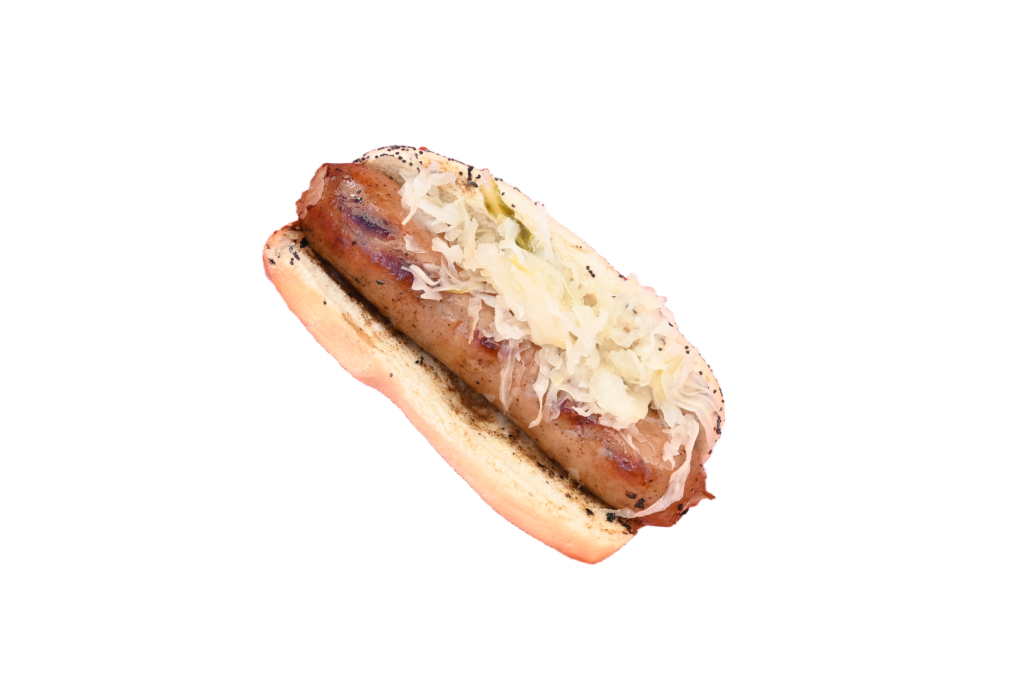
- Sauerkraut and mustard dog: lightly sweet white or potato bun
- Loaded regional-style dog: bun matched to that tradition, such as poppy seed for Chicago style
- Thick grilled sausage posing as a hot dog: sturdier roll, sometimes pretzel if the toppings fit
What to look for at the store or bakery
You do not need a specialty baker to choose well, but you do need to inspect with purpose. Packaging hides flaws. Labels flatter mediocre bread. A quick squeeze and a look at the crumb tell you more than branding does.
When I shop for buns, I check a handful of things before they go into the cart:
- The bun should bend without cracking at the hinge
- The crumb should feel soft but not empty or cottony
- The size should suit the actual hot dog I plan to serve
- The sweetness should be moderate, not cake-like
- The package should show minimal compression or tearing
These are modest standards, but they screen out most disappointing options.
Homemade and bakery buns can be excellent, with one caveat
If you bake or buy from a bakery, you can get better flavor and fresher texture than many packaged buns offer. But artisanal bread is not automatically better for hot dogs. Bakery buns sometimes chase crust, fermentation, or rustic chew in ways that suit sandwiches more than this format.
The best homemade or bakery hot dog buns stay focused. They have a fine, tender crumb, modest crust, enough richness to stay soft, and dimensions that match the frank. Milk bread style doughs often work well. So do potato-enriched doughs. The worst offenders are mini baguette-like rolls that require jaw strength and shove the sausage forward with every bite.
A hot dog asks for generosity, not resistance.
The right bun makes the whole meal feel intentional
When the bun and the hot dog fit each other, something subtle but important happens. The meal feels composed. The toppings land where they should. The first bite resembles the last. The bread supports the frank instead of apologizing for it.
That is the real art here. Not https://charliewlxr660.focalledger.com/posts/how-to-make-homemade-slaw-for-hot-dog-topping picking the fanciest bun, and not treating all buns as interchangeable, but noticing what the hot dog actually needs. Sometimes that means the humble white roll from a local brand that understands softness better than any upscale bakery. Sometimes it means a griddled top-split bun with just enough structure for a loaded dog. Sometimes it means avoiding sweetness, and sometimes it means using a touch of it to round out sharp condiments.
A hot dog is one of the most democratic foods around, but it still rewards judgment. Bread, meat, toppings, heat, and texture all have to cooperate. Choose the bun with that in mind, and even an ordinary frank starts eating like it was built by someone who cares.
Under Construction Hot Dogs
1225 W U.S. Hwy 50, Pueblo, CO 81008
FAQ About hot dog
What are different types of hotdogs?
Under Construction Hot Dogs offers a classic all-beef hot dog, a quarter-pound Jumbo Dog, a Chili Dog, and a Chicago Dog, along with brats and a Spicy Link.
What does a chili dog have on it?
Our Chili Dog pairs a Vienna all-beef hot dog with chili, shredded cheddar cheese, and finely diced onions.
What is in a traditional Chicago dog?
Our Chicago Dog comes on a steamed poppy seed bun with yellow mustard, bright green relish, onions, tomato wedges, a pickle spear, sport peppers, and celery salt.